
How to Handle Last-Minute Set Time Changes Without Losing Your Crew
A thirty-minute set time change is routine on tour. Whether your crew finds out from a group text or from the artist’s manager standing in front of them is what decides whether the rest of the night runs smoothly.
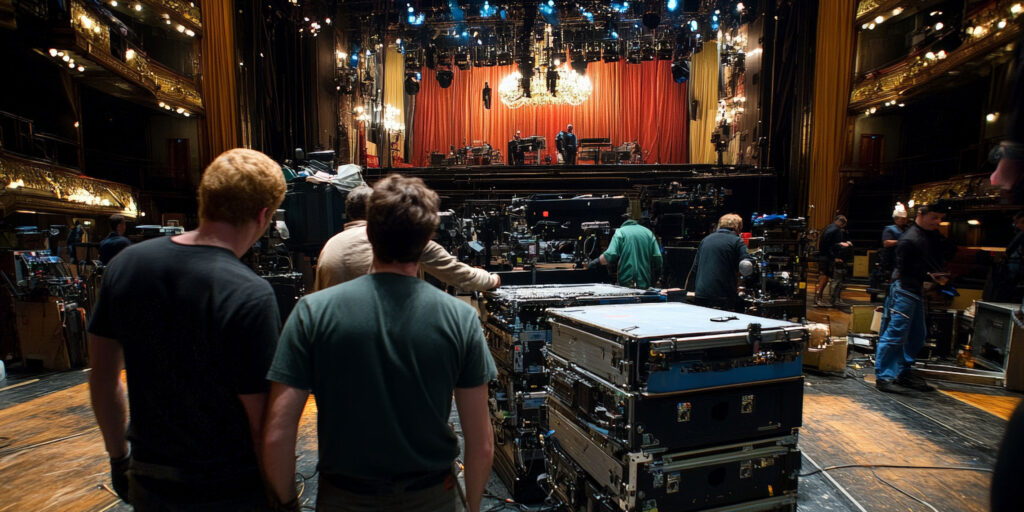
Support acts run long, gear breaks, an opener no-shows — there are a dozen reasons a set time moves on any given night, and almost none of them are anyone’s fault. The problem is rarely the change itself. It’s that FOH finds out from the tour manager, lighting finds out from FOH, and the merch table finds out when a line of confused fans shows up early.
Why One Delayed Set Time Cascades Fast
A set time isn’t one data point — it’s the anchor that lighting, sound, security, and the artist’s own team all build their night around. Move it by twenty minutes and every one of those teams needs to know before they’re the last to adjust. When that update travels person to person instead of all at once, it usually arrives late for at least one department — and that’s when cues get missed and doors staff start fielding questions they can’t answer.
Build a Change Protocol Before Doors Open
The venues that handle set time changes well decide the process in advance, not in the moment. Good pre-production habits help here — Propared’s rundown of pre-production practices for stage managers is a useful reference for building that kind of structure ahead of show day. Decide who has authority to confirm a change, and agree on one channel everyone checks — not five different group chats depending on department.
Notify Crew and Artists Together, Not in Sequence
The relay chain is the actual problem, not any one person in it. A single message sent to crew, the artist’s team, and front-of-house staff at the same moment removes the lag entirely — nobody is waiting on someone else to pass it along, and nobody is the one department still working off the old schedule.
What Counts as a "Tell Everyone Now" Change
Not every adjustment needs a blast to the whole team. A two-minute soundcheck slip can stay between FOH and the artist. These are the changes worth sending wide, every time.
Set Time Change Checklist
- Set time moves of ten minutes or more, for any act on the bill
- Set order changes, including a support act swap or a cancellation
- Doors or load-in time changes that affect crew call times
- Any change that affects when the audience should show up
- Load-out and curfew updates for crew planning the rest of the night
Keep the Show Moving When the Schedule Doesn’t
Set times move. What matters is whether your whole team hears about it at the same time. beepit sends one update to crew, artists, and venue staff at once — no group chat juggling, no relay chain. See how it fits into your next show on our concerts and live music page.